Celebrating our 100th renovation
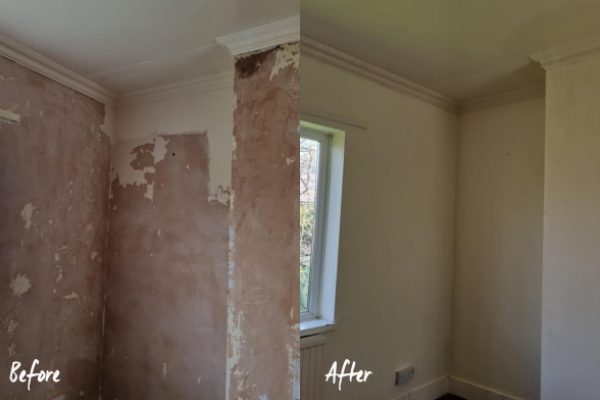
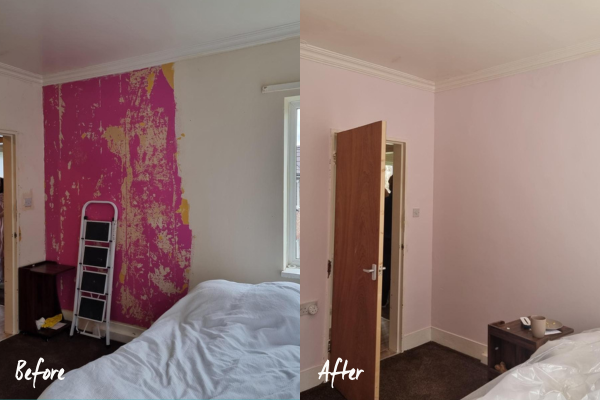
Our Renovation programme is an important step on our clients' journeys towards recovery. When survivors are entitled to permanent accommodation, the state of the accommodation varies, but all are unfurnished and in need of a deep clean at minimum. We have found this transition presents another knife edge to a survivor’s stability and recovery. In order to address this need, we work with our client and a team of volunteers to help clean, paint and furnish their house. Our clients choose the colour of the paint, giving them ownership over the process and helping to empower them as they step into independent living.
We're thrilled to share that, later this month, we'll complete our 100th house renovation!
With this in mind, we asked Snowdrop's CEO, Rachel Medina, about the need for the Renovation programme, how it began and the impact it's had on survivors of modern slavery.
"I can't believe we're about to reach the milestone of our 100th renovation. Since the Renovation programme started, 102 adults and 58 children have benefitted from having their accommodation transformed into a safe, welcoming home, which is absolutely amazing.
We recognised really early on that one of the pivotal, make-or-break moments for survivors during their recovery was getting access to their first permanent property. Access to social housing gives individuals the security and foundations that support and sustain their wellbeing. However, taking a cold, dirty, unfurnished shell and making it into a home takes resources, money, time and support networks that survivors often don't have access to. This can be another roadblock, rather than a stepping stone, and one of our first key initiatives after advocacy was the Renovation programme.
Before we had any paid staff, everyone (and I do mean everyone!) mucked in when a renovation came up. Being small, we were able to be incredibly responsive and organise volunteers, paint, a van and furnishings with only a few days notice, so that we could transform properties for our clients really quickly. We used to keep our renovation clothes under our desks in case we needed to help on short notice! Often, we would start painting a property before the electricity was turned on, and in the winter this sometimes meant finishing up by torchlight, in chilly conditions.
Helping out also involved collecting furniture from generous members of the community, and moving them to client's homes. Occasionally, we got pieces that didn't fit into tiny properties, and we would then donate these items to other charities. In the days before councils offered carpeting packages, we would also fill and paint concrete floors, install floor tiles in bathrooms and hallways, and put rugs down.
There was, and still is, a lot of expectation management. Moving is stressful at the best of times, and helping a survivor to understand their choices and cope with stress or fear during a move is a vital part of the work we still do. Before being allocated a property, the individuals we support may have never lived on their own. They have generally had no choice in where they would be housed or how long they would stay there. They could be moved at short notice, replicating the instability and insecurity of exploitation, so it's hard to understate how challenging and important this process is.
We learned a lot in the early days, and things have changed- we are now able to plan renovation dates in advance, which means we can better engage volunteers. Social housing now also sometimes provide grants, which can provide carpets, white goods and other items which make a difference to the immediate impression of a property.
The Renovation programme is still one of the most impactful and important aspects of the support we provide. I no longer keep paint-covered clothes under my desk, but I still see the impact, the before and after photos, the stability and security that homes bring to individuals - this part hasn't changed at all. To anyone who has volunteered to help transform a house into a home for a survivor - thank you."
If you'd like to help on future renovations, you can sign up to our newsletter to be the first to hear about volunteering opportunities.