Art Therapy for Survivors of Modern Slavery
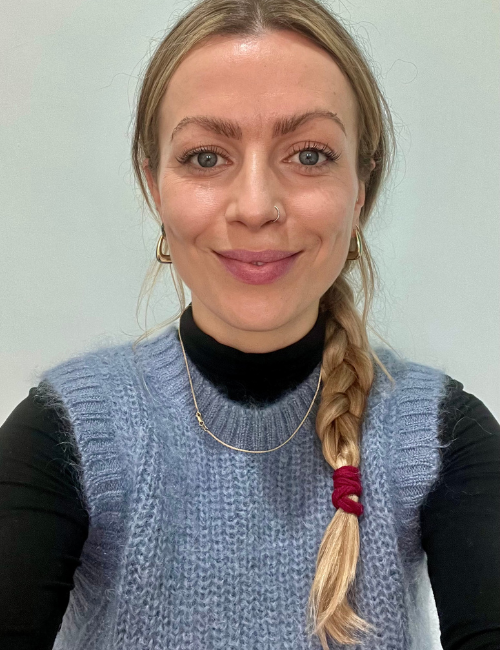
In this blog, we're chatting to Kate, Snowdrop's Art Therapist, about how creativity can be used to explore the individual's experiences, and ultimately improve their wellbeing. Find out more about this new area of our work below!
Hi Kate! Can you briefly explain what art therapy is?
Of course! Art Therapy is a form of psychotherapy which uses the creative process to explore an individual's experience, with the aim of improving physical, mental and emotional wellbeing.
The creative process is used in any way that is helpful to the client - as a tool to process and understand emotions and experiences, to support emotional regulation, to access play and joy, and anything in between.
What kinds of activities might clients try during art therapy?
This is completely dependent on what the individual wants from sessions. As an Art Therapist, I don't provide directive activities (unless this is something that's been discussed and agreed upon as being helpful to the client). As an Art Therapist, I support clients in their creative process, but I do not teach or tell them what I think they should do. I work alongside clients to ensure they feel safe and held in both their psychological and creative process; sometimes this means supporting the creation of artwork, or it could mean creating my own art alongside and in response to clients.
Art materials can be used as much or as little as feels right. We may use art materials to explore difficult experiences and emotions that are hard to verbalise, or the client may have something specific in mind that they would like to create, or they may like the sensory qualities of the materials. Art Therapy focuses more on the creative process rather than the end product, so any way the client would like to use materials is welcomed.
What’s the best part of your job as an art therapist?
The best part is, without a doubt, communicating and connecting with another human through creativity, working alongside each other and being witness to the strength and resourcefulness of individuals.
What kinds of changes do you see in clients after they attend art therapy?
Like any therapy, engaging in Art Therapy can be challenging. The thought of art-making itself can feel daunting, however, being "good" or "bad" at art is not important or relevant here! For most clients, using the creative process as a form of expression and communication, rather than to create a specific product, begins to feel more natural over time. It is amazing to see this happen.
Progress can be gradual, non-linear, and look and feel different to different people. However, witnessing clients’ confidence grow within a trusting relationship can produce powerful changes in how they express themselves verbally, creatively and in relationships.
Art Therapy can also provide opportunities for clients to use creativity and art materials to support emotional regulation; this can contribute to powerful changes in how clients experience both their internal and external worlds.
How does art therapy complement Snowdrop’s other support services to help survivors recover from their experiences?
Snowdrop's holistic support services - including casework, counselling, shiatsu, trauma-informed yoga, acupuncture and community activities - reflect extensive research evidencing the impact of trauma on both the mind and body.
Art Therapy complements this commitment by combining a talking psychotherapy with the use of art materials; creating a body-mind model and offering a sensory, kinesthetic as well as verbal approach to processing traumatic experiences. Together, these support services provide a holistic package for survivors, helping them to process their experiences and rebuild their lives.
Thanks, Kate! We'll be sharing more update from our Art Therapy programme as it develops. For the latest news, you can also sign up to receive our newsletter.